


Classification in terms of flexibility
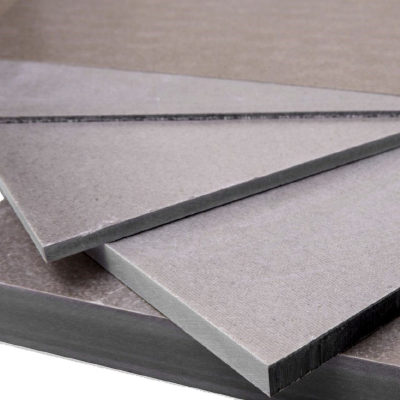
Hard or dry mica sheets (Rigid) : The thickness of dry mica range from 0.10 mm to 50 mm
Flexible mica sheet (soft) : the thickness range from 0.10 to 2 mm
The thickness of dry mica range from 0.10 mm to 50 mm and the thickness of the soft type is 0.10 to 2 mm, which makes it very suitable for different application in different settings.
Classification in terms of heat resistance
The two most common types of mica which are used commercially in insulation, and which we’ll focus on here, are muscovite and phlogopite.
The main difference between the two types of mica is that muscovite is colourless, while phlogopite has a brown, yellow or green tint. Phlogopite can also be slightly harder tha muscovite.
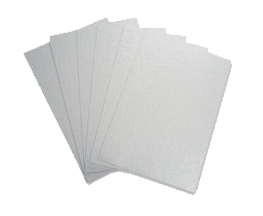
Muscovite (silver color) operating temperatures of up to 600°C
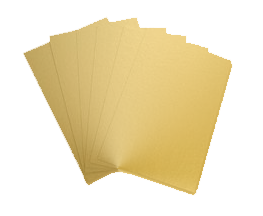
Phlogopite (golden color) operating temperatures of up to 800°C
Application of Mica sheets
Due to its flexibility, durability and superior performance as an electrical and thermal insulator, mica is used in a variety of industries and applications which work with high temperatures and high voltages.
Heat Resistance Cable
The properties of mica make it an excellent choice for wire and cable insulation in applications with exposure to high temperatures and direct flame. can be used in aluminum industry, blast furnaces, important wiring circuits (eg, defense systems, fire alarm and security systems and surveillance systems),
Lighting equipment
lampshade mica is manufactured by combining mica flakes with organic shellac binder. The combination is then put under pressure for an extended time, then sanded to ensure even thickness. This process creates sheets with unique, striking colors that are a result of mineral deposit variations.
Decorative application
Other decorative uses of mica include use in fireplaces, wallpaper and many other decorative functions in which the unique texture and reflective appearance of mica give a unique effect.

Rapid Heat Tranfer
Soft and Rigid mica sheets have good resistance to high temperatures and are very thin and light. This high thermal resistance together with the appropriate strength ensures the life of the product and its thinness causes rapid heat transfer and cooling of the heating element.
Use of hard mica in home appliances
Rigid type of mica sheet is widely used in home appliances and other products required for electric heating. These include items such as heaters,electric toasters, hair dryers and shunt winding in microwave.
Use soft mica for Steel and foundry
In the foundry and steel industry, the most common requirement and use of mica-based insulation solutions is in furnaces. Mica laminates in sheet and roll forms are commonly used as Slip plane lining, Furnace insulation, Gaskets for vacuum furnaces.
Other applications of Mica insulation
| Applications |
|---|
| As a replacement for asbestos and other insulating boards |
| Metallurgical sector, particularly for induction furnaces insulation. |
| Heating elements for electrical & thermo mechanical equipment |
| Refractory material in paper industry |
| Cosmetics uses such as lipstick, all kinds of shadows and cosmetic powders and… |
| Hygienic uses such as use in making toothpaste and hygienic powders making |
| As one of the welding coat |